
What is a Virtual Airline?
Understanding Flight Simulation Communities
A virtual airline is an online community that simulates real-world airline operations using flight simulation software. Think of it like a book club, but for flight simulation enthusiasts who want to fly with purpose and structure -- and the best part is that anyone can join.
At its simplest, a virtual airline gives flight simulation a sense of direction. Instead of loading up your simulator and picking a random departure and destination, you fly within a framework that mirrors how a real airline operates. You have a route network based on actual timetables, aircraft with authentic liveries, and a system that tracks your flights and builds a record of your flying career over time. The result is an experience that feels purposeful rather than aimless -- every flight you complete contributes to something larger.
Virtual airlines have existed almost as long as flight simulation itself, evolving alongside the software from simple bulletin-board communities in the 1990s to sophisticated operations with custom-built tracking systems, detailed fleet management, and hundreds of active members. What began as a niche hobby has grown into a global community of thousands of pilots, each finding their own way to enjoy the art of simulated flight within a structured, social environment.
The concept works because it solves a problem that many flight simmers eventually encounter: the question of "what should I fly next?" A virtual airline answers that question with a complete operational framework -- routes, schedules, procedures, and a community of fellow pilots who share the same passion.
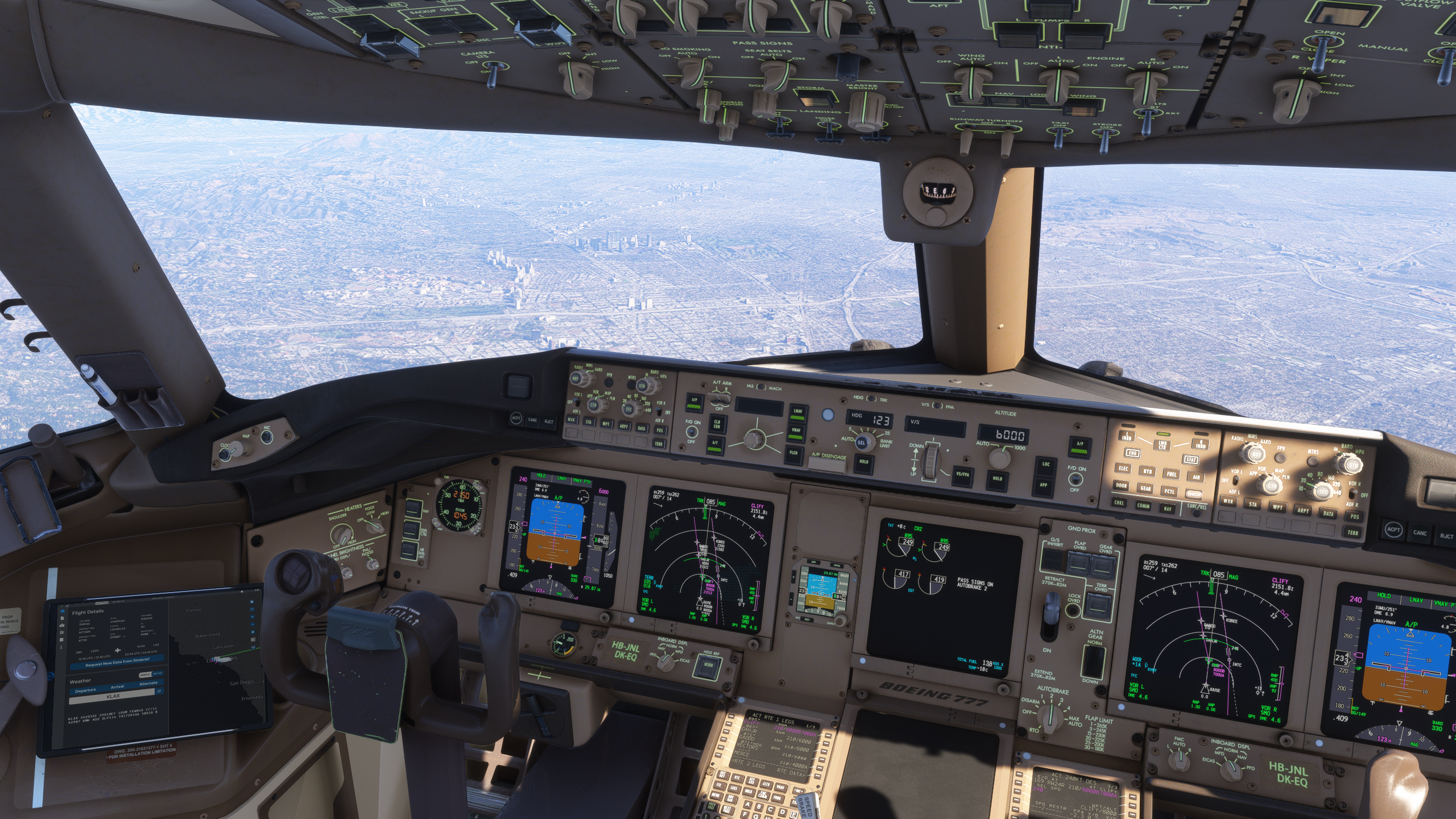
The infrastructure that virtual airlines provide varies from one organisation to the next, but the core elements are remarkably consistent. Routes and schedules form the backbone -- these are typically based on the real-world operations of the airline being simulated, so pilots fly the same city pairs and use the same flight numbers as their real-world counterparts. An aircraft fleet accompanies the route network, usually with custom liveries that make your simulator aircraft look and feel authentic.
Flight logging is another essential component. Most virtual airlines use an ACARS-like system -- software that runs alongside your simulator and records your flights automatically, capturing departure times, routes flown, fuel consumption, and landing data. This information feeds into a pilot logbook and often into a broader statistics system that tracks the virtual airline's overall activity. For many pilots, watching their logbook grow from a handful of flights to hundreds is one of the most satisfying aspects of the hobby.
Community ties everything together. Whether through Discord servers, forums, or organised group flights, the social dimension is what transforms flight simulation from a solitary pursuit into a shared experience. Pilots swap stories about challenging approaches, coordinate formation flights across time zones, and help newcomers learn the ropes. It is this human element -- the sense of belonging to a crew -- that keeps people coming back flight after flight.
People join virtual airlines for different reasons, and the beauty of the concept is that it accommodates all of them. Experienced simmers are drawn to the operational depth -- the chance to follow professional procedures, participate in organised group flights, and progress through a rank system that rewards dedication and skill. For them, a virtual airline provides the structure that turns casual flying into something closer to a career simulation.
Aviation enthusiasts who may be newer to simulation find a different kind of value. A virtual airline offers a guided entry point into a hobby that can feel overwhelming at first. Rather than facing a blank sky and an intimidating cockpit, new pilots join a community that provides routes to fly, documentation to learn from, and experienced members who genuinely enjoy helping others improve. The learning curve never disappears entirely -- that is part of the appeal -- but it becomes far less daunting when you are not climbing it alone.
Then there are those who simply love a particular airline's identity and want to experience it from the other side of the cockpit door. They admire the livery, they are curious about the routes, and they want to understand what it might feel like to operate those flights themselves. A virtual airline gives them that experience in a way that no amount of solo flying ever could.

It is worth addressing what virtual airlines are not, because misconceptions do exist. They are not commercial operations -- no real money changes hands for flights, no actual passengers or cargo are transported, and no real-world aviation credentials are required or conferred. They are not time-intensive obligations either. The best virtual airlines, including SWISS Virtual, impose no rigid schedules and no punitive activity requirements. You fly when you want, as often as you want, entirely on your own terms.
Virtual airlines are also not exclusive clubs for experienced pilots. While some organisations cater to a more hardcore audience, most welcome members of all skill levels and actively support those who are just starting out. The hobby is meant to be fun, and any virtual airline worth joining understands that accessibility and quality are not mutually exclusive. Similarly, cost is rarely a barrier -- the vast majority of virtual airlines, including SWISS Virtual, are completely free to join.
Perhaps most importantly, a virtual airline is not a job. It is a hobby, and the moment it stops being enjoyable it has failed at its purpose. The structure exists to enhance the experience, not to constrain it. Procedures and standards create a satisfying sense of realism, but they should never become a source of stress or pressure. The best virtual airlines maintain that balance with care.
Getting started with a virtual airline requires very little. You need a flight simulator -- Microsoft Flight Simulator, X-Plane, or Prepar3D are the most common platforms -- and an internet connection. Registration with the virtual airline itself is typically free and takes only a few minutes. Once you are set up, you download the airline's flight tracker, choose a route from the schedule, and fly. Your first logged flight can happen the same day you sign up.
Some pilots choose to enhance their experience further by joining online ATC networks like VATSIM or IVAO, which provide live air traffic control staffed by volunteer controllers. Flying with real ATC adds another layer of realism and challenge, but it is entirely optional -- many virtual airline pilots fly perfectly happily without it. The beauty of the hobby is that you can tailor the experience to your own interests and comfort level, adding complexity as you grow more confident.
If the idea of flying with purpose, tracking your progress, and being part of a community of like-minded aviation enthusiasts appeals to you, then a virtual airline might be exactly what your simulator experience has been missing. And if you happen to have a soft spot for the Swiss flag carrier, you already know where to find us.